Merchandising Service Team
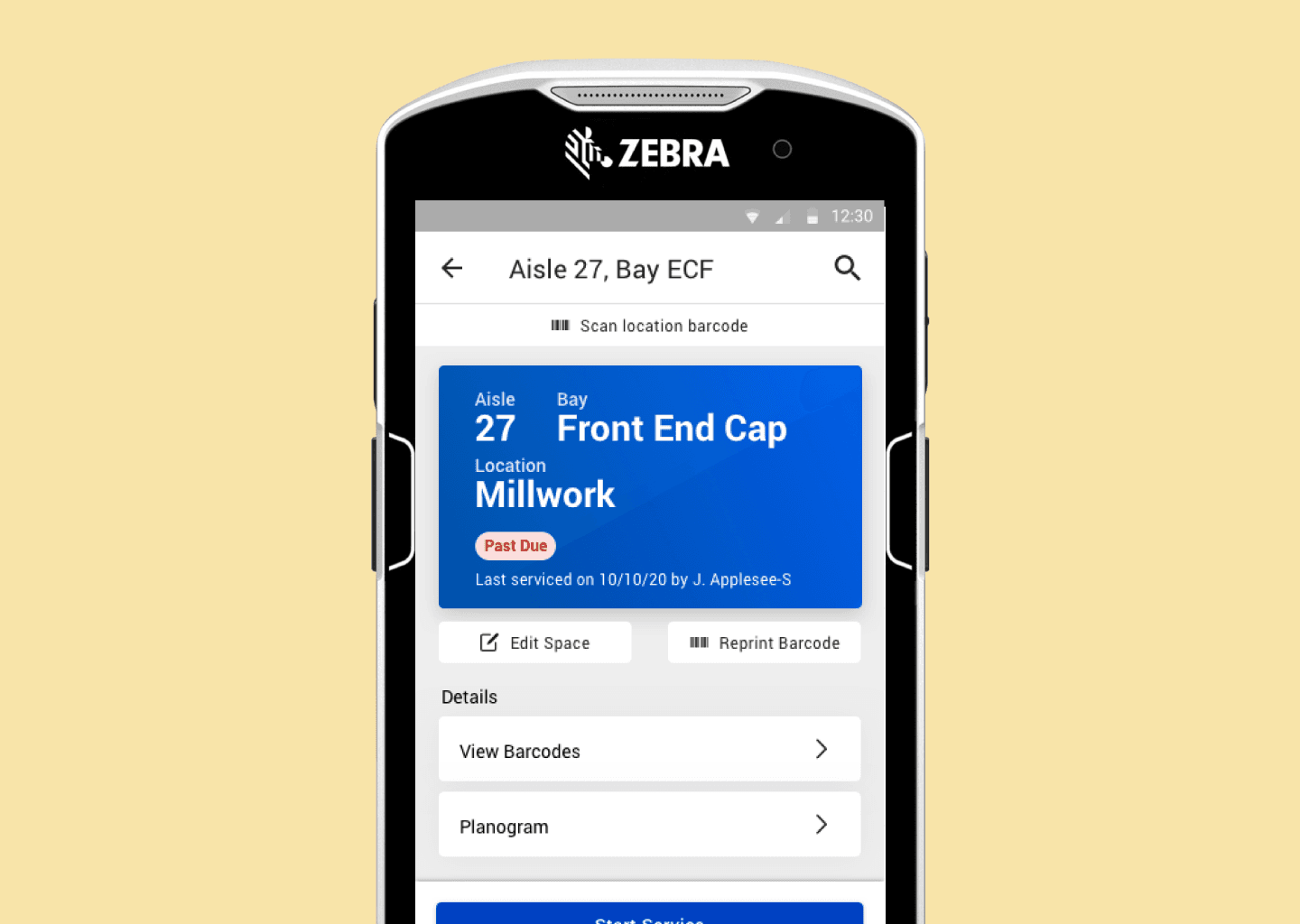
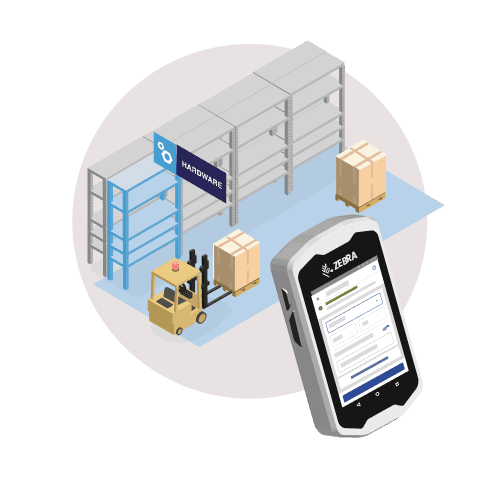
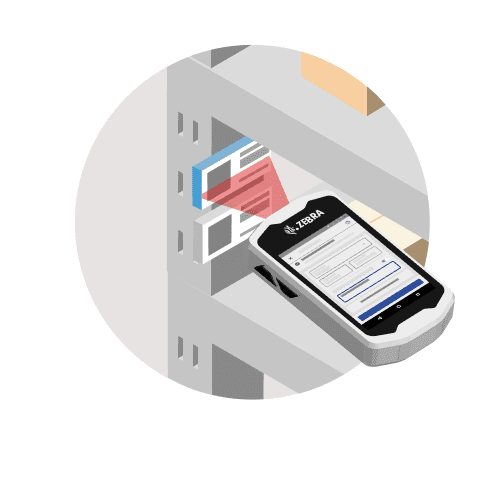
The Merchandising Service Team (MST) application supports Lowe’s in‑store teams responsible for executing resets, product placement, and merchandising standards across thousands of stores. The goal of this project was to modernize and streamline the MST experience, enabling associates to complete tasks more efficiently while improving accuracy, visibility, and accountability.
Product Roadmap (3-6 Months)
Handheld Device, Internal Enterprise Tool
Product, Engineering, UX Research, Business Stakeholders
Problem
MST associates relied on a fragmented set of legacy tools and manual processes that:
Required excessive navigation and context switching
Made it difficult to understand daily priorities and task status
Increased the risk of errors during resets and audits
Offered limited visibility for managers into progress and blockers
These challenges slowed execution on the sales floor and created frustration for both associates and leadership.
Goal
Reduce cognitive load for MST associates during task execution
Improve task clarity, prioritization, and completion confidence
Enable faster, more accurate merchandising workflows
Provide managers with clearer visibility into team progress and performance
Merchandising Service Manager
•Lead and supervise the Merchandising Service team, including scheduling, assigning tasks, and managing resources so projects get done on time.
•Provide onboarding, training, coaching, and mentoring for MSAs to help them perform well and grow in their roles.
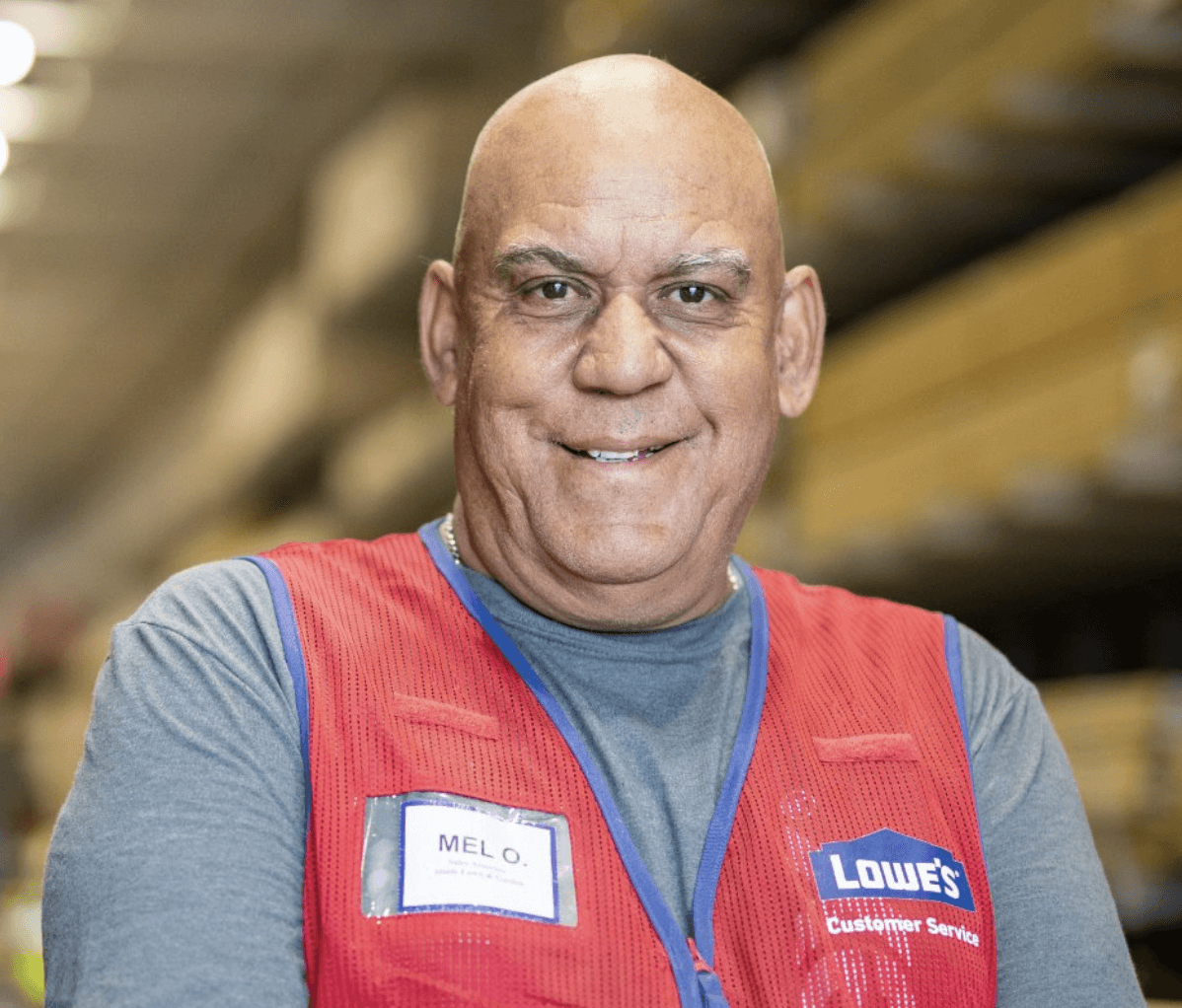
Merchandising Service Associate
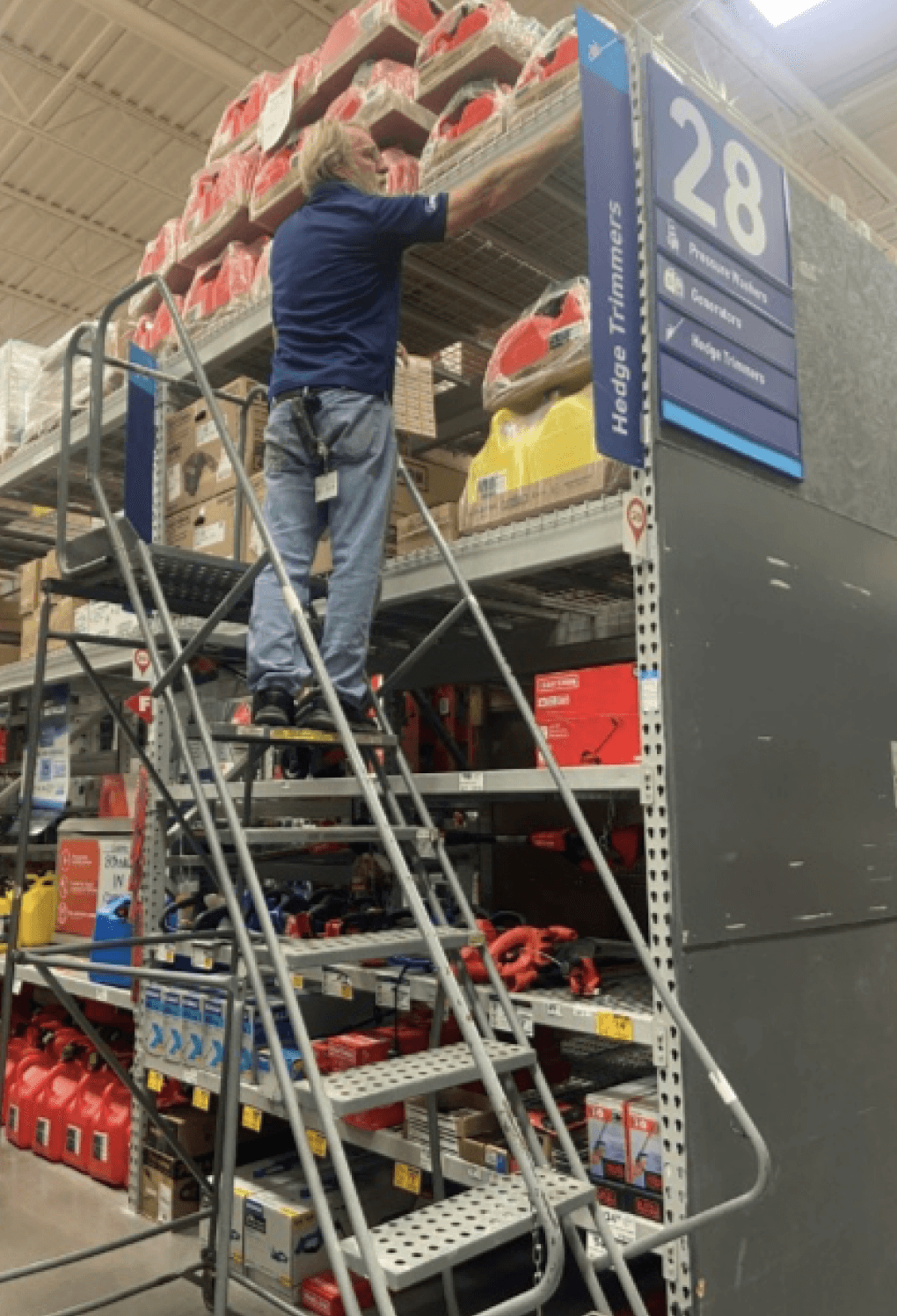
•Build, reset and maintain product displays and fixtures according to Lowe’s standards (planograms)
•Ensure shelves are stocked, organized, and visually appealing.
•Update and validate signage, pricing, and wayfinding information so products are easy to locate.
Merchandising Service Manager
•Lead and supervise the Merchandising Service team, including scheduling, assigning tasks, and managing resources so projects get done on time.
•Provide onboarding, training, coaching, and mentoring for MSAs to help them perform well and grow in their roles.
Merchandising Service Associate
•Build, reset and maintain product displays and fixtures according to Lowe’s standards (planograms)
•Ensure shelves are stocked, organized, and visually appealing.
•Update and validate signage, pricing, and wayfinding information so products are easy to locate.
Research & Insights
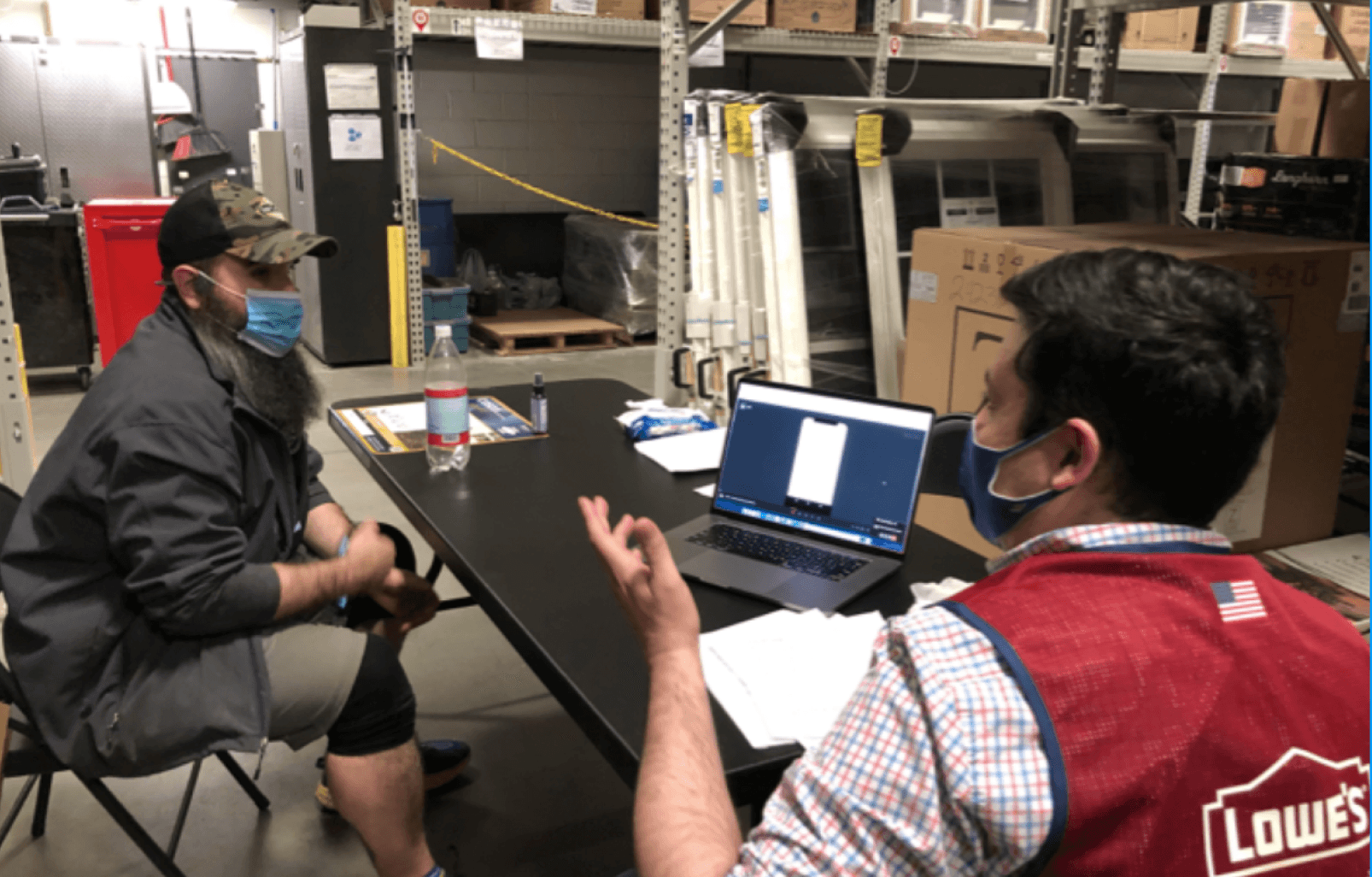
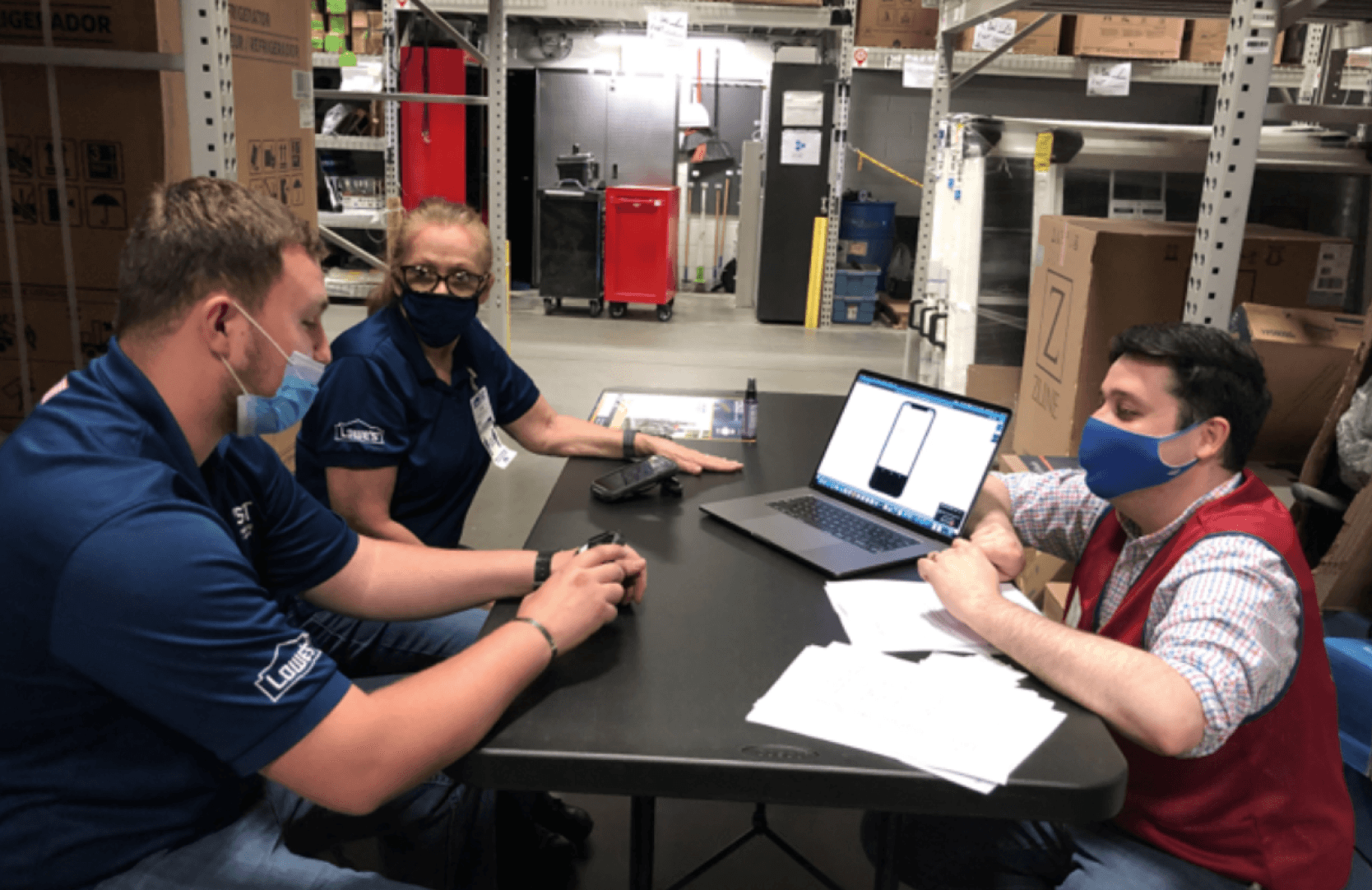
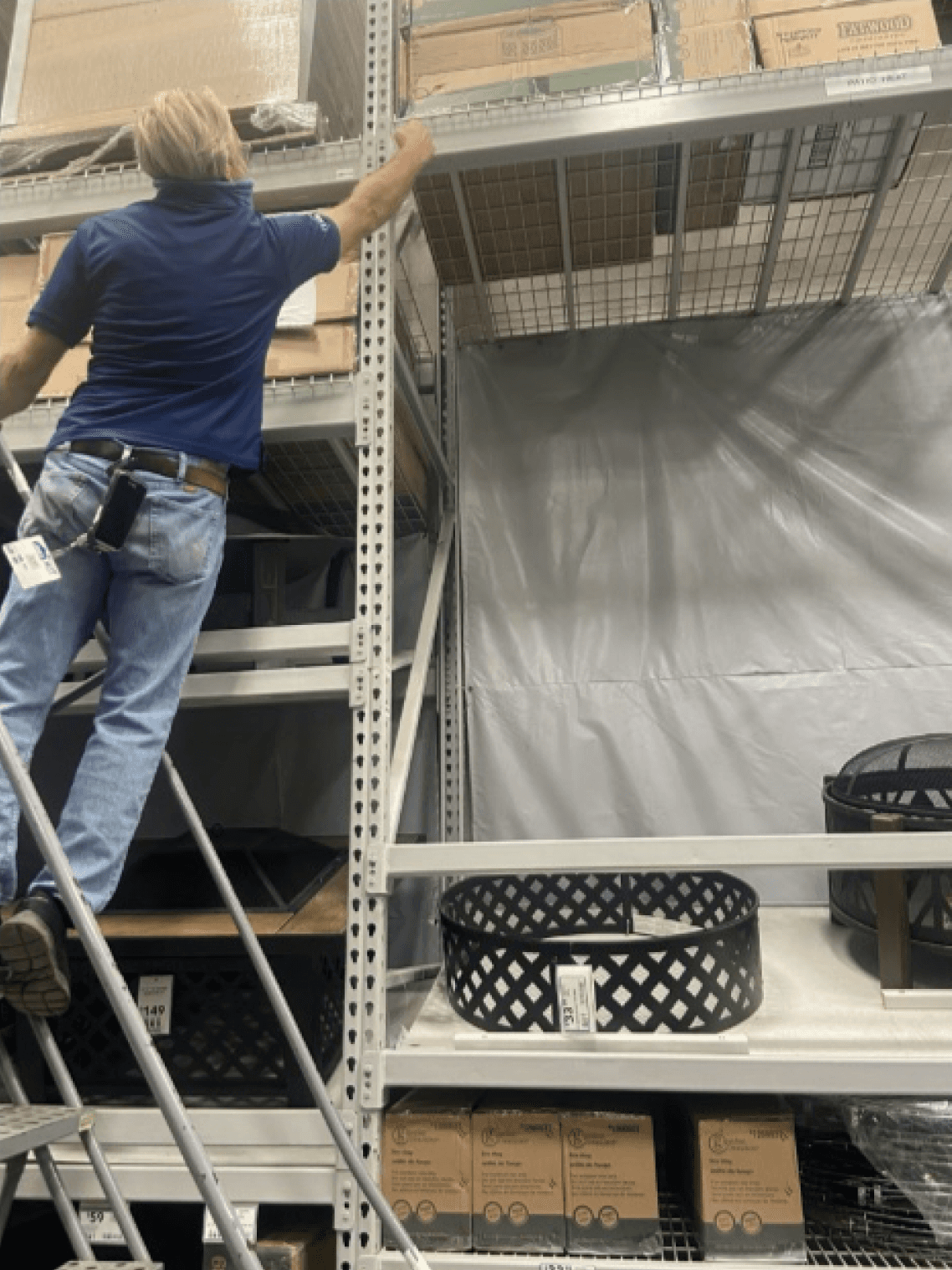
I partnered closely with UX Research to conduct field studies, ride‑alongs, and stakeholder interviews. Key insights included:
Associates often worked under time pressure and needed quick, glanceable information
Existing workflows did not align with how tasks were actually performed on the floor
Associates preferred fewer steps and clearer confirmation that work was completed correctly
These insights informed a design approach centered on simplicity, clarity, and speed.
Design Approach
I led end‑to‑end design efforts, from early concepts through high‑fidelity prototypes. Key decisions included:
Task‑first navigation: Prioritized daily tasks and progress at the top level
Clear visual hierarchy: Used status indicators and progressive disclosure to reduce clutter
Contextual guidance: Surfaced instructions and validation only when needed
Scalable components: Designed a system that could support future MST initiatives
Designs were iterated through frequent reviews with engineering and business partners to ensure feasibility and alignment.
Research & Insights
I partnered closely with UX Research to conduct field studies, ride‑alongs, and stakeholder interviews. Key insights included:
Associates often worked under time pressure and needed quick, glanceable information
Existing workflows did not align with how tasks were actually performed on the floor
Associates preferred fewer steps and clearer confirmation that work was completed correctly
These insights informed a design approach centered on simplicity, clarity, and speed.
Solution
The redesigned MST experience introduced:
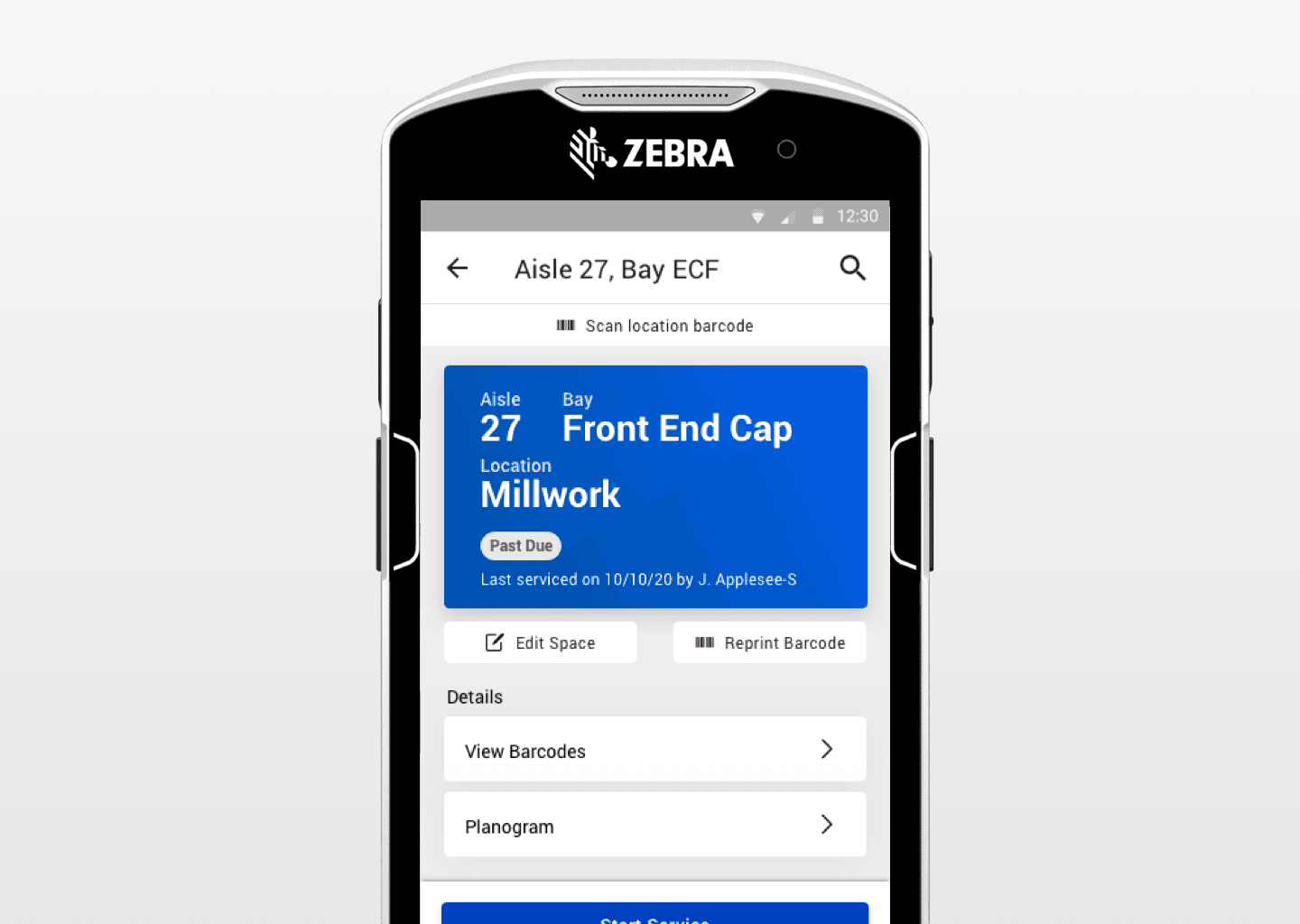
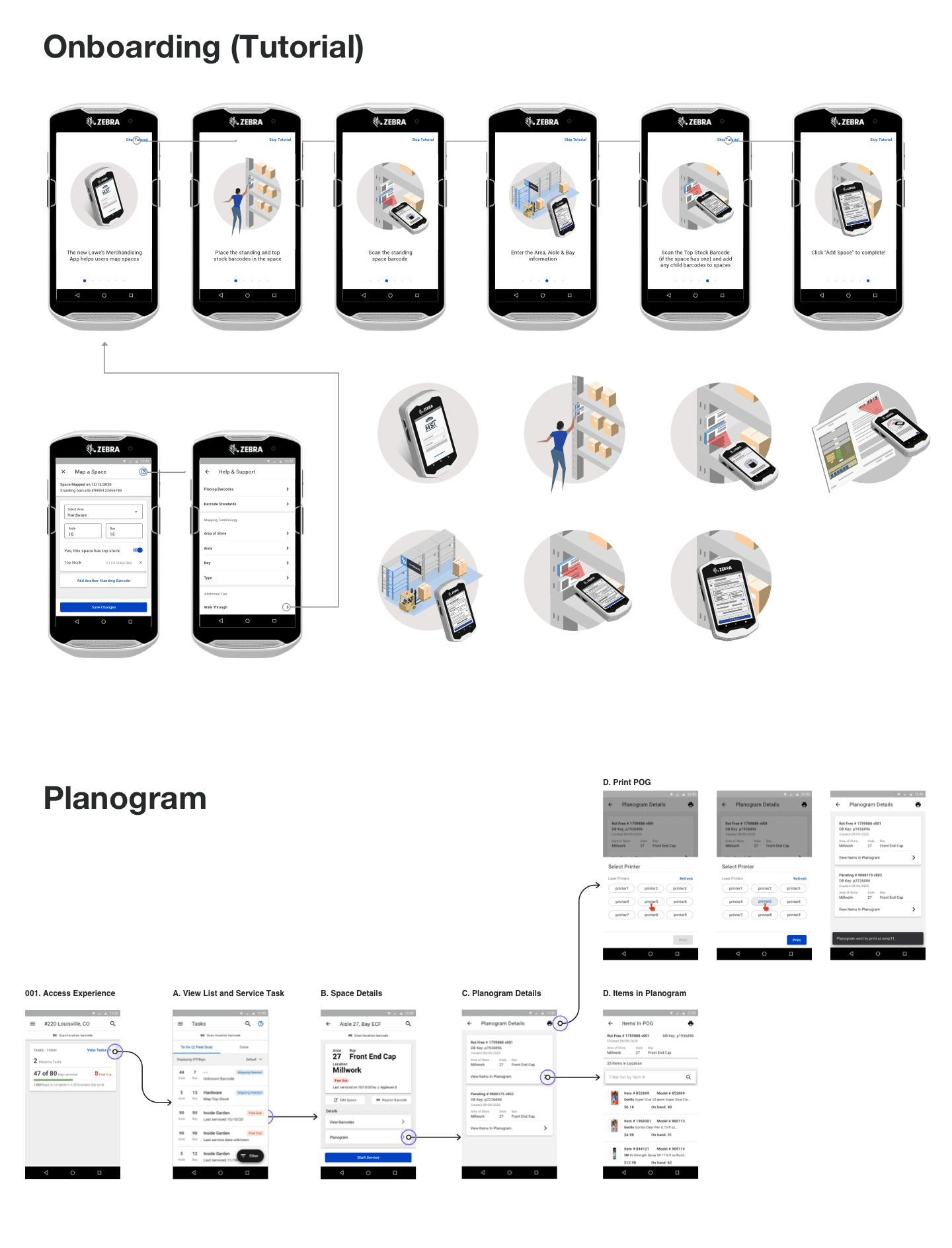
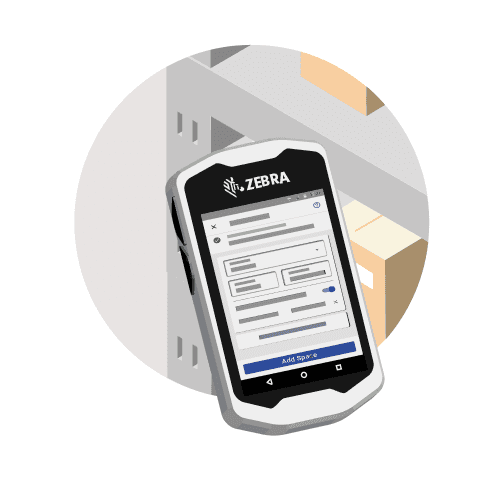
A simplified task dashboard with clear priorities and progress tracking
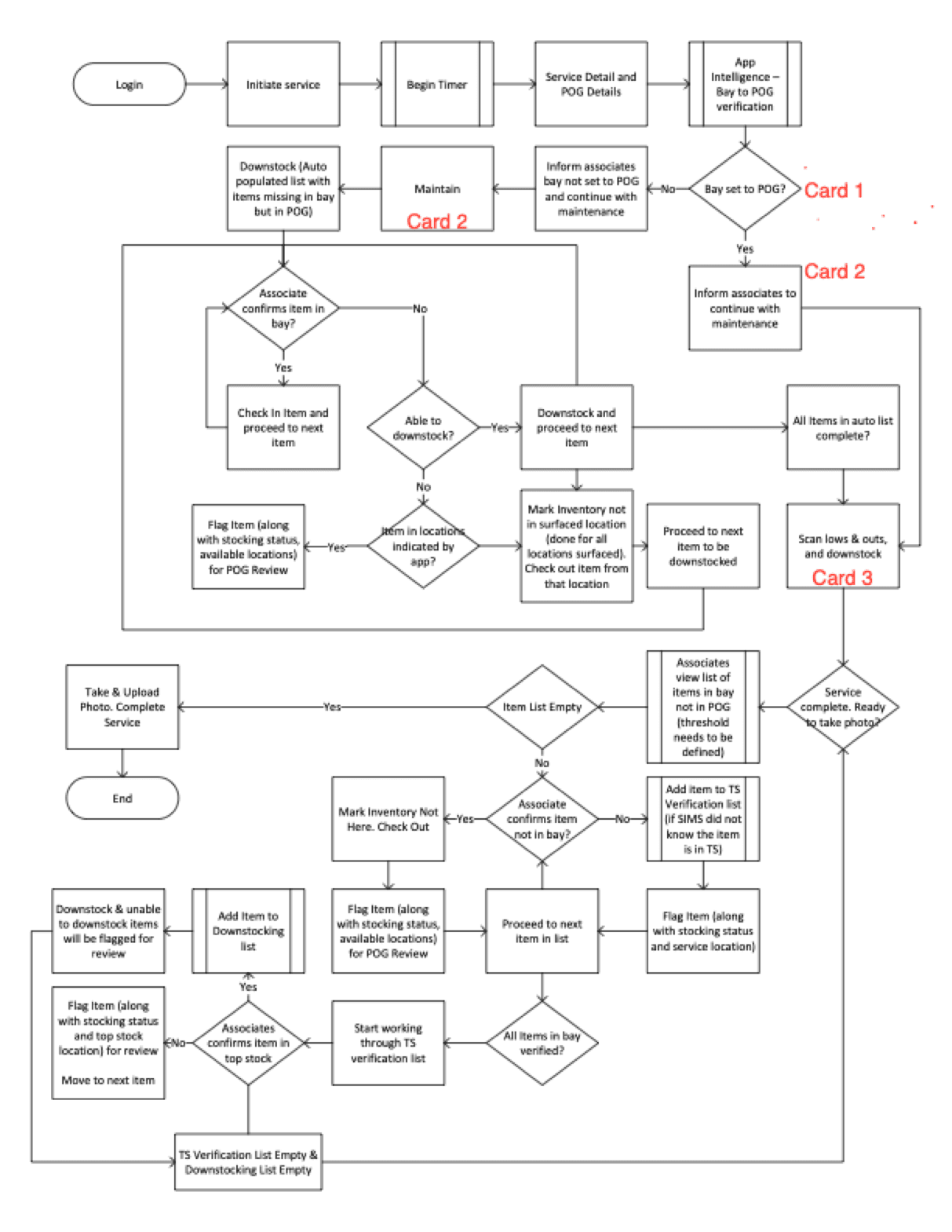
Streamlined task flows that reduced steps and ambiguity
Improved visual feedback to confirm successful completion
Enhanced manager views for monitoring execution across teams
The result was a more intuitive and confident experience for associates working on the sales floor.
Impact
While this was an internal enterprise tool, early rollout feedback indicated:
Faster task completion times
Reduced associate confusion and errors
Improved confidence in executing merchandising standards
• Stronger alignment between field teams and leadership
Reflection
This project reinforced the importance of designing for real‑world constraints. By grounding decisions in field research and continuously validating designs with users and partners, we delivered a solution that balanced business needs with the realities of in‑store work.
If revisiting this project, I would further explore opportunities for personalization and predictive assistance to support associates during peak store hours.
Reflection
This project reinforced the importance of designing for real‑world constraints. By grounding decisions in field research and continuously validating designs with users and partners, we delivered a solution that balanced business needs with the realities of in‑store work.
If revisiting this project, I would further explore opportunities for personalization and predictive assistance to support associates during peak store hours.